Top 10 Home Maintenance Mistakes Summit County Homeowners Should Avoid
Summit County homes look beautiful in every season, but they need steady care. Snow, cold air, thin mountain air, and fast weather shifts affect every part of a home. A small issue in the fall can become an expensive repair by the middle of winter. That is why local maintenance matters more here than in many lower-elevation towns.
Homeowners often miss simple warning signs because the damage starts quietly. A clogged gutter, weak heater, frozen pipe, or roof ice problem can grow fast. This guide explains the most common mistakes we see around mountain properties. Use it to protect your home, avoid stress, and plan repairs before trouble starts.
1. Ignoring Roof Snow Loads and Ice Dams
A roof in Summit County carries serious weight during the winter months. Heavy snow can sit for days and put pressure on shingles, framing, gutters, and flashing. Ice dams add another problem when melting snow freezes again near the roof edge. Once water slips under shingles, it can damage insulation, ceilings, and walls. Check your roof edges after large storms and during freeze-thaw weather.
Look for thick icicles, uneven melting, heavy snow pockets, or sagging gutters. These signs often point to poor ventilation, blocked drainage, or unsafe buildup. If the roof looks risky, call a professional instead of climbing in icy conditions. For roof-edge ice, heavy snow buildup, or winter repair concerns, our home maintenance services can help prevent bigger damage.
2. Skipping HVAC Maintenance Before Winter
Heating systems work hard in Summit County because the cold season lasts a long time.
Furnaces, heat pumps, and mini-splits deal with thin air and steady winter use. Many homeowners wait until the heat stops before they call for service. That usually happens during the worst weather, when repair schedules are already full.
Book an HVAC check before the first serious cold snap arrives. A technician can inspect airflow, filters, burners, wiring, and safety controls. Regular service helps the system run better and lowers the risk of surprise failure. Reliable heat also protects pipes, appliances, and the overall comfort of the home.
3. Treating High-Altitude Appliances Like Standard Appliances
High elevation can change how appliances and cooling equipment perform. Refrigeration units, ice machines, freezers, and coolers may need extra attention here. Pressure, airflow, and temperature changes can make equipment work harder than normal. If the settings stay wrong, motors and compressors can wear out faster.
Watch for strange sounds, slow ice production, uneven cooling, leaks, or short cycling. These signs often appear before a full breakdown happens. This is especially important for rentals, restaurants, small businesses, and busy homes. A local repair team can check the unit and adjust it for mountain conditions.
For safe refrigeration handling, the EPA also explains why certified technicians should manage refrigerant maintenance.
4. Forgetting to Winterize Outdoor Plumbing
Frozen pipes are one of the most expensive winter problems for homeowners. Outdoor hose bibs, sprinkler lines, garage pipes, and crawl space plumbing freeze quickly. One small amount of trapped water can expand and crack a pipe. The damage may stay hidden until water starts leaking inside or under the home.
Disconnect garden hoses before the first hard freeze each year. Shut off exterior water valves, drain sprinkler lines, and cover hose bibs. Check garages, crawl spaces, and utility areas for cold air leaks. Simple winterizing steps can prevent a major mess during freezing weather.
5. Blocking Attic or Crawl Space Ventilation
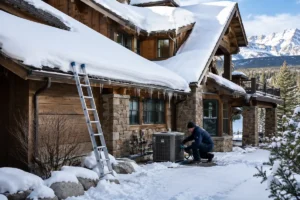
Attics and crawl spaces are easy to ignore because they stay out of sight. Poor airflow in these areas can create moisture, mold, rot, and winter roof issues. Warm indoor air can rise into the attic and melt the roof snow unevenly. That melting can lead to ice dams, wet insulation, and roof edge damage.
Crawl spaces need the same kind of attention during seasonal checks.
Blocked vents, damaged insulation, or trapped moisture can affect floors and wood framing. Look for debris, nests, snow blockage, loose covers, or damp smells. Clear airflow helps the home handle mountain moisture and temperature swings better.
If moisture or airflow problems keep coming back, our team provides reliable support across Summit County.
6. Taking on Permit-Level Work Without Help
Small DIY repairs are fine when the job is simple and safe. Problems start when homeowners handle electrical, plumbing, structural, or mechanical work alone. Summit County homes face strict weather demands and local code requirements. A shortcut can create safety risks, inspection problems, or resale issues later.
Before starting a major project, check whether the work needs a permit. This matters for wiring, gas lines, plumbing changes, framing, and mechanical systems. A licensed local professional understands snow loads, altitude, and safety standards. Doing the job right the first time usually costs less than fixing mistakes later.
7. Letting Gutters Fill With Needles and Debris
Gutters protect the home by moving water away from the structure. When pine needles, leaves, and roof grit block them, water starts backing up. That water can overflow into siding, windows, walls, and foundation areas. In winter, blocked gutters can freeze and pull away from the roofline. Clean gutters in late fall before snow settles on the roof.
Check them again after the spring thaw when debris and ice damage become visible. Homes near trees may need extra checks because needles collect quickly. Clear gutters help protect the roof, basement, siding, and foundation from water damage.
8. Ignoring Small Cracks Around the Home
Small cracks may look harmless, but mountain weather can make them worse. Water enters the gap, freezes, expands, and slowly opens the crack wider. This can happen around foundations, concrete, siding, trim, drywall, and garages. A small fall crack can look much bigger after one hard winter.
Walk around the home during the spring thaw and before winter starts. Look for new cracks, spreading gaps, uneven doors, or water stains. Seal minor cracks early and keep an eye on anything that changes. If the damage keeps growing, ask a professional to inspect it.
9. Overloading Electrical Circuits in Winter
Winter usually brings more electrical use inside the home. Space heaters, appliances, tools, holiday lights, and electronics can overload older circuits. A tripping breaker is not just an annoying, small problem. It often warns that the circuit carries more demand than it should.
Avoid plugging several high-demand items into one outlet or power strip. Do not keep resetting a breaker without looking for the real cause. Frequent trips can point to wiring issues, weak circuits, or unsafe load levels. Call an electrician if the same breaker keeps shutting off.
10. Waiting Until Something Breaks to Call for Service
The worst time to find help is during an emergency. When heat fails, pipes freeze, or refrigeration stops, every hour feels stressful. Local repair teams also get busy during storms and peak winter weeks. Waiting too long can mean higher costs, longer delays, and fewer options. Build a relationship with a local maintenance team before problems get urgent.
A team that knows your property can spot patterns and give better advice. Seasonal service also helps you plan repairs before they become emergency calls. That kind of support matters when you own a home in Summit County.
Conclusion
Summit County homes need steady care because the weather is not forgiving. Snow, moisture, altitude, and cold air can expose weak spots quickly. The best approach is to inspect early, fix small issues, and avoid delay. A little maintenance before winter can save a lot of money later. High Country Fixit helps local homeowners and businesses stay ahead of repairs.
Our team works with HVAC systems, refrigeration units, appliances, and general maintenance needs. We understand how mountain conditions affect homes, rentals, and commercial properties. If something feels off, schedule service before it becomes a larger problem.
FAQs
What is the biggest home maintenance issue in Summit County?
The biggest issue is the mountain climate and how quickly it changes. Heavy snow, freezing nights, thaw cycles, and high elevation affect many home systems. Roofs, plumbing, HVAC units, appliances, and exterior materials all take extra stress. That is why seasonal inspections are so important for local homeowners.
How often should Summit County homeowners inspect their property?
A good routine is one inspection before winter and one after the spring thaw. These two checks help catch roof damage, gutter issues, plumbing risks, and cracks. You should also look around after major storms or long freezing periods. Finding problems early usually keeps the repair smaller and more affordable.
Why does HVAC maintenance matter more in mountain homes?
Heating systems work harder in long winters and thin mountain air. They run often, face heavy demand, and protect the home from freezing conditions. Regular maintenance helps improve airflow, safety, efficiency, and system life. It also lowers the chance of losing heat during a storm.
Do appliances need special care at high altitude?
Yes, some appliances can perform differently at high elevations. Refrigeration units, freezers, coolers, and ice machines may need proper checks. Pressure, airflow, and temperature conditions can affect how these systems run. Professional service helps prevent early wear and unexpected equipment failure.
When should I call High Country Fixit?
Call when you notice poor heating, leaks, strange sounds, ice buildup, or cooling problems. You should also call before winter if your home needs seasonal maintenance. Small warning signs are easier and cheaper to fix when handled early. High Country Fixit can help keep your Summit County property ready.