A busy restaurant depends on dozens of moving parts, but only one broken piece of equipment can slow the whole kitchen down. A cooler that stops holding temperature or an ice machine that suddenly gives up can quickly become more than a maintenance issue. Commercial kitchen repair Vail services help local restaurants deal with those problems before they begin affecting service, food storage, or staff productivity.
For restaurant owners, the biggest concern is usually not the repair itself. It is the time lost while the equipment is down. When the kitchen is already working through a busy lunch, dinner rush, or ski-season weekend, there is very little room for unexpected downtime. That is why having dependable local technical support matters.
Small Problems Rarely Stay Small
Most commercial equipment does not fail without warning. A refrigerator may start running longer than usual, an ice machine may produce less than normal, or a prep station may take more time to cool back down. These changes can seem minor at first, especially when the equipment is still technically working.
The problem is that restaurant staff often learn to work around these issues. Someone adjusts the temperature, moves ingredients to another unit, or resets the machine and carries on. That might get the kitchen through the day, but it does not explain why the equipment is behaving differently in the first place. This is where commercial kitchen repair helps identify the real cause before the issue gets worse.
Refrigeration Needs Close Attention
Refrigeration is one area where delays can become expensive very quickly. Walk-in coolers, reach-ins, freezers, and refrigerated prep tables protect ingredients throughout the day and night. If temperatures begin drifting, food quality can become a concern long before the equipment completely stops operating.
Cooling problems can come from many places. Dirty coils, blocked airflow, damaged door seals, worn motors, electrical controls, or compressor issues can all affect performance. Proper diagnosis matters because replacing the wrong part can waste time while leaving the actual cause untouched.
Busy Kitchens Put Equipment Under Pressure
Restaurant equipment works much harder than most residential appliances. Doors are opened constantly, kitchens stay hot, equipment operates for long periods, and cleaning schedules can add moisture and wear. During high-volume periods, the strain becomes even more noticeable.
That is particularly relevant in a destination market like Vail. Restaurants may experience sharp changes in traffic depending on the season, events, weekends, and tourism. Equipment that performs adequately during a slower period may begin showing weaknesses when the kitchen suddenly has to operate at full capacity every day.
Know the Warning Signs
Staff members are often the first people to notice that something feels different. New noises, unusual vibration, longer cooling cycles, leaks, heat around a unit, or inconsistent temperatures deserve attention. Even small observations can help a technician understand what has been happening before the service visit.
Managers should encourage staff to report those changes instead of waiting for complete failure. A short note about when the issue started, how often it happens, and what the unit was doing beforehand can save valuable troubleshooting time. It also gives the technician a clearer picture of an intermittent problem. Regular equipment maintenance checks can also help restaurant teams catch performance changes before they turn into larger failures.
When a Repair Cannot Wait
Not every issue needs an immediate response, but some problems can disrupt the entire operation if they are left unresolved. A walk-in that starts warming during service or a freezer that stops recovering overnight can put inventory and preparation schedules at risk.
In those situations, emergency restaurant equipment repair in Vail becomes less about convenience and more about keeping the business functional. Restaurant owners need clear answers about what failed, what can be done now, and whether the equipment can safely continue operating until a permanent repair is completed.
Preventive Service Can Save Stress
Waiting until something breaks is one way to manage equipment, but it is rarely the easiest one. Preventive maintenance gives restaurants a chance to find smaller problems while there is still time to plan the repair. It can also make maintenance costs easier to predict.
Regular checks may reveal worn parts, blocked coils, loose connections, unusual temperature readings, or buildup that is affecting performance. None of those problems may stop the machine today, but they can shorten its useful life if they are allowed to continue unnoticed.
Repair or Replace?
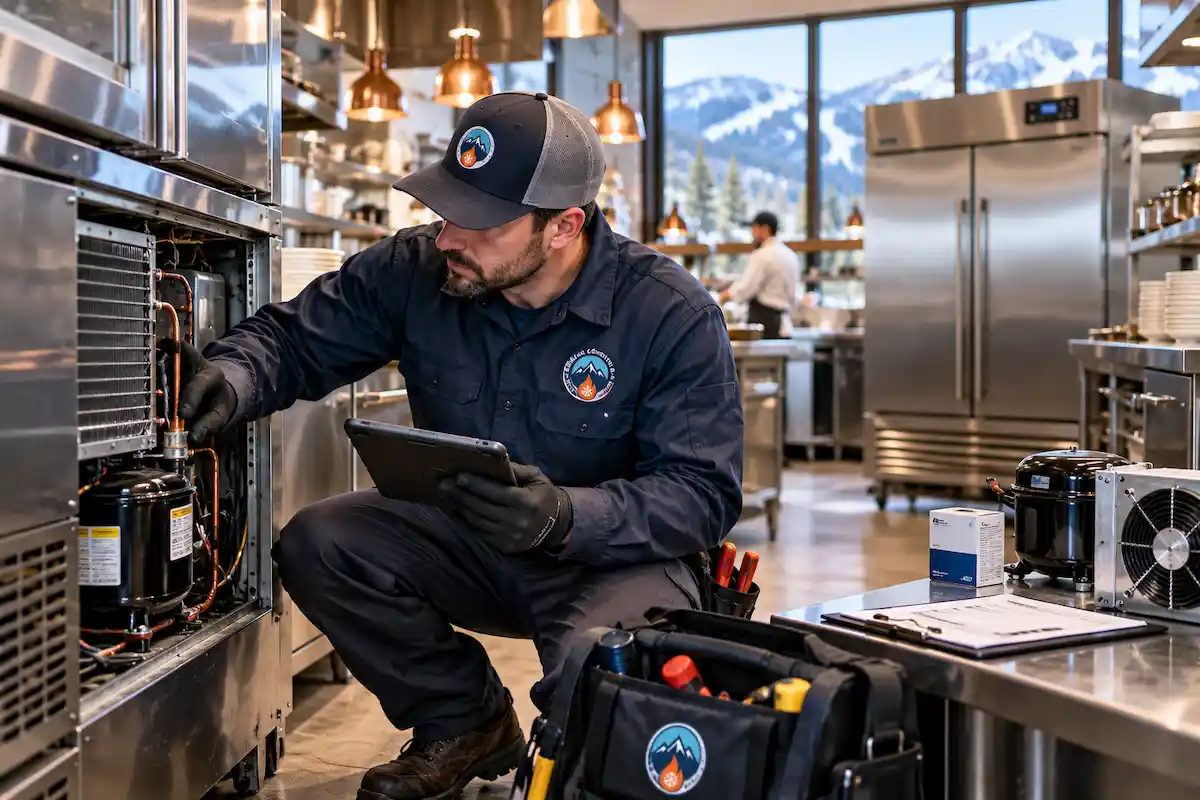
One of the hardest decisions for a restaurant owner is knowing when an old unit is still worth fixing. Age alone does not always provide the answer. A well-maintained piece of equipment may continue performing reliably after a straightforward repair, while another unit of the same age may already have a long history of problems. Repair history, part availability, efficiency, downtime, and current condition should all be considered.
If the same unit requires service again and again, replacement may eventually become the more sensible option. If the problem is isolated and the machine is otherwise healthy, repair may still be the better investment. Reviewing equipment replacement costs can also help owners compare repair expenses against the cost of replacing an aging unit.
Local Service Has Practical Advantages
Working with someone familiar with the area can make communication easier, particularly when a restaurant is dealing with a time-sensitive problem. A local food service equipment technician understands that a kitchen cannot simply stop operating for several days while everyone waits for an answer.
Local familiarity also helps when planning maintenance around the rhythms of the area. Vail restaurants often have very different workloads during peak travel periods compared with quieter weeks. Scheduling service before those heavier periods can reduce the chance of dealing with avoidable failures at the worst possible time.
Price Should Not Be the Only Factor
Unexpected repairs are frustrating, especially when they arrive alongside food costs, payroll, utilities, and all the other expenses of running a restaurant. It makes sense for owners to compare prices, but the cheapest repair is not always the least expensive option in the long run. A temporary fix that fails again two weeks later can cost more than a proper repair completed the first time.
When comparing commercial restaurant equipment repair Vail CO, owners should pay attention to diagnosis, communication, workmanship, and whether the technician is actually addressing the root cause of the problem.
Prepare Before the Technician Arrives
A little preparation can make a service visit more efficient. Restaurant staff should have the equipment make and model available, along with any error codes or recent repair information. It also helps to explain whether the issue is constant or only happens under certain conditions Avoid repeatedly resetting equipment if the cause is unknown.
A reset can sometimes hide a useful symptom, and continued operation may make certain problems worse. Giving the technician an accurate history is often more helpful than trying several temporary solutions before the appointment. When the issue keeps returning, submitting a service repair request gives the technician the details needed before the visit.
Plan Ahead for Peak Season
Restaurants that rely heavily on seasonal business should treat equipment checks as part of their preparation. A busy holiday weekend is not the ideal time to discover that a cooler has been struggling for months or that an ice machine has not been cleaned and serviced properly.
Before traffic increases, managers can review the equipment they depend on most and address anything that seems questionable. That does not require replacing every older machine. It simply means knowing which units may need attention before the kitchen begins operating at maximum volume.
Good Service Is More Than a Repair
A useful technician should leave the restaurant with more information than it had before the visit. The owner should understand what happened, what was repaired, and whether anything else needs to be watched. That kind of communication makes future decisions easier.
For businesses searching for Vail commercial kitchen appliance repair, reliability is often more valuable than a quick patch. Restaurants need equipment they can trust during service, not a machine that works for a day and begins showing the same symptoms again shortly afterward.
Keeping the Kitchen Moving
Commercial kitchens are complicated environments, and occasional equipment problems are unavoidable. What matters is how quickly those problems are recognized and how carefully they are handled. Early attention can often keep a manageable repair from becoming a much larger disruption.
With the right maintenance habits and dependable support, restaurant owners can spend less time worrying about machines and more time running the business. Reliable Commercial Kitchen Equipment Repair in Vail is ultimately about keeping essential systems working when the kitchen needs them most.
Frequently Asked Questions
How do I know when kitchen equipment needs repair?
Watch for unusual noises, leaks, slower cooling, temperature changes, repeated error messages, or equipment that runs longer than normal. These signs often appear before a complete breakdown happens.
How often should commercial kitchen equipment be serviced?
Service frequency depends on equipment type, age, workload, and manufacturer recommendations. High-use refrigeration and food-service equipment may benefit from more frequent inspections.
Should an older restaurant appliance be repaired or replaced?
Consider its age, repair history, parts availability, efficiency, and the cost of the current repair. Frequent breakdowns may make replacement more practical.
What information should I provide before a service visit?
Have the make, model, error codes, recent repair history, and a short description of the problem ready. Mention when the issue started and whether it happens continuously.
Why is preventive maintenance important for restaurants?
Preventive care can catch developing problems before they cause unexpected downtime. It also helps restaurant owners plan repairs instead of reacting during a busy service.